About Futures Labs HQ

The future is messy.
Learning for it
probably should be too.

The world young people are growing up in is changing fast.

AI. Climate. New industries. New technologies. Jobs that don't exist yet. Big problems without neat answers.

It can be exciting. It can also be a lot.

Futures Labs HQ exists to give young people somewhere to explore all of that.

Not another classroom. Not another careers expo. And definitely not someone standing at the front telling them what their future should look like.

We draw on futures thinking frameworks from around the world and turn them into practical, engaging learning experiences for young people.

That means helping learners notice change, explore possible futures, understand systems and connections, question assumptions — and see where they might fit.

"I'm not fully sure yet,
but I'm here!"

— Year 11 learner
Why Futures Labs?

Instead of asking young people to choose from a list of jobs they already know, we help them look wider.

Young people are constantly asked to make decisions about subjects, qualifications and pathways. At the same time, the world around them is shifting. Industries are converging. Technology is changing the way we live and work. Many of the biggest challenges they'll inherit don't sit neatly inside a single subject area.

We want them to notice:

  • What is changing?
  • What might that lead to?
  • Who is shaping it?
  • Who benefits? Who could be left out?
  • Where might I fit?
  • What could I contribute?
What matters to us

Six things
we don't
compromise on.

01

Access should not depend on privilege

Who your parents know shouldn't matter. Neither should the school you attend, your postcode, or whether your family can afford every opportunity that comes along. We deliberately work to open doors to young people who may not normally find themselves in these rooms.

In our first Aerospace for Good cohort, 30 places were fully funded.
02

Purpose before profit

Futures Labs HQ is a non-profit organisation. Our priority is educational impact, equitable access and meaningful opportunities for young people — not generating returns for shareholders.

Some learners pay programme fees. Some places are funded. Partners help reduce barriers. Young people come first.

03

Different brains. Different ways.

A Futures Lab might include videos, conversation, individual thinking, group debate, visual tools, site visits, industry encounters, movement, hands-on activities and real-world challenges.

Some learners talk first. Some need to try something before it makes sense. All of that is okay. There should not be only one way to be good at learning.

04

Designed with young people, not just for them

We do not assume adults automatically know what teenagers will find useful or engaging. We ask. We listen. We change things.

Our programmes are evidence-informed, co-designed and continually evolving — because if the world keeps changing, the learning should be able to change with it.

05

Futures with people at the centre

We love technology. But we're much more interested in what technology does to and for people. So when something new appears, we don't stop at "What does it do?"

We also ask: Who benefits? Who decides? Who might miss out? What happens to people and place? Would this still feel like a good idea in 20 or 50 years?

06

Agency over answers

We're not trying to produce young people who agree with us. We want them questioning assumptions — including ours. A good Futures Lab gives learners better tools to work out what they think, why they think it, and what they might do next.

"Technology IS a double-edged sword. Sometimes we innovate too much, to the point that society or the environment can't keep up."
Concept

Futures
Wellbeing

Young people hear a lot about the future. Climate change. AI. Housing. Conflict. Jobs changing. Technology reshaping everything. It is easy for the future to start feeling like something happening to you.

We want to change that relationship.

Futures Wellbeing describes a young person's ability to look ahead with curiosity, possibility and agency — while still being able to sit with uncertainty and complexity.

It is also about connection — to people, to place, to community, and to something larger than yourself.

We want young people to feel not only that they can navigate what comes next, but that they belong somewhere within it and have something meaningful to contribute.

Becoming future-capable is not just about adapting to change. It is about understanding your context, making meaningful choices, staying connected to place and people, and recognising that your contribution matters.

Honouring Te Tiriti o Waitangi

Futures Labs HQ was created in Aotearoa, and that matters.

We are committed to honouring Te Tiriti o Waitangi in the way we design, partner, learn and grow. That means valuing mātauranga Māori and te ao Māori perspectives, building meaningful relationships with tangata whenua, and ensuring Māori learners can see their identities, knowledge and aspirations reflected in conversations about the future.

The futures of Aotearoa should not be designed around tangata whenua.

They should be shaped with tangata whenua.

How we think about industries

We look at ecosystems, not just jobs

One of the things we care about most is helping young people move beyond linear career thinking.

When young people can see the whole ecosystem — the designers, technicians, researchers, communicators, economists, policymakers, creatives, communities and iwi that surround an industry — they can start to see more places where they might belong.

  • Aerospaceis not just pilots and engineers
  • Energyis not just electricians and power companies
  • Food & fibreis not just farming

"What job should I do?"

↓

"What problems do I want to help solve, and where could my strengths fit?"

That is a much more interesting question.

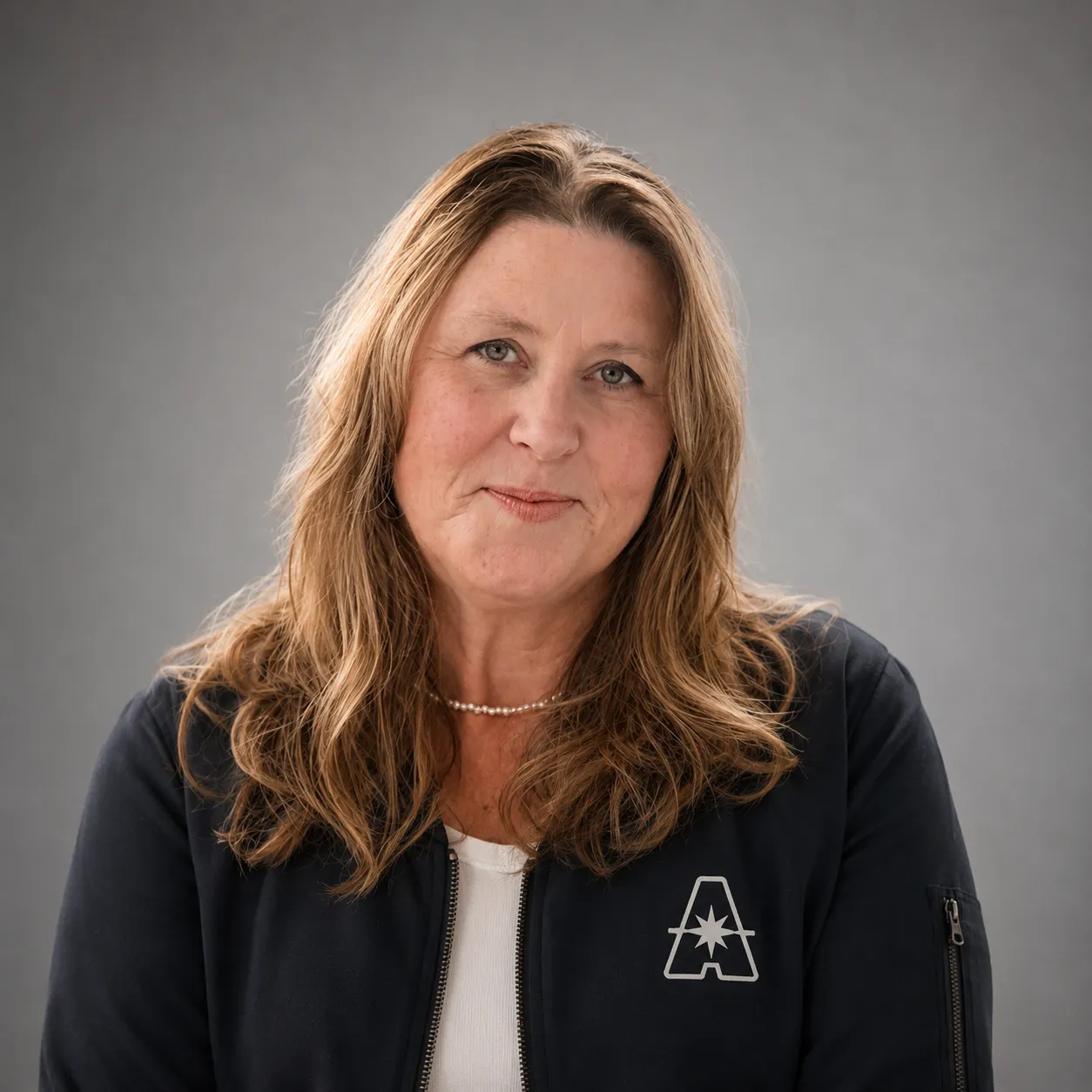
Founded by

Kylie
Horgan

Registered NZ teacherEducator & futures-learning practitionerMaster's in Change & Organisational Resilience

Kylie has worked across social work, teaching, school leadership, youth development, wellbeing and education innovation — with a particular interest in how education can help young people build agency, capability and confidence in an uncertain world.

She is preparing to begin doctoral research focused on futures thinking, learning design, agency and the frameworks that can help young people make sense of an increasingly complex and changing world.

Her work focuses on connecting education with emerging industries, communities, research and ideas — creating experiences that help young people see possibilities they might not otherwise encounter.

"Some of the most powerful learning happens when we stop trying to fit the world into subjects and instead let young people encounter the world as it actually is: Connected. Complicated. Human. Changing. Ours to shape."

Built in Aotearoa.
Connected
to the world.

Futures Labs HQ is grounded in Aotearoa New Zealand, but the questions young people are facing are increasingly global. These challenges cross borders, but they land differently in every place.

Think globally. Notice locally. Ask better questions.

  • AI
  • Climate
  • Food
  • Energy
  • Space
  • Migration
  • Digital infrastructure
  • Changing work